3D printing prototyping that closes the loop.
A prototype is only useful if the next revision arrives while you still remember what was wrong with the last one. We print in-house, so a design change on Monday is a part in your hands by Wednesday — and the same team carries it through to production.
The cost of a slow loop.
Hardware development is a sequence of wrong guesses that get less wrong. The variable that decides whether a product ships on time is rarely the quality of the first design — it is how quickly you can find out the first design was wrong.
When prototyping is outsourced, each revision carries a quoting cycle, a queue and a courier. Three revisions can quietly consume six weeks. When the printers are in the same building as the engineers, the same three revisions take about a week, and the design that reaches production has been through more real-world contact.
- Fit is checked physically, not just in CAD. Assemblies reveal interference that a model hides.
- Ergonomics get a verdict from someone holding the thing rather than rotating it on screen.
- Failures happen early, on a printed part that cost a few hundred rupees rather than after tooling.
- Stakeholders sign off on an object, which is a materially different conversation to signing off on a render.
Prototypes with a job to do.
Not every prototype is trying to answer the same question, and the material and settings should follow the question being asked.
- Form prototypes — is the shape right, does it feel right in the hand, does it look right next to the rest of the product? PLA, fine layers, finish-focused.
- Fit prototypes — does it actually assemble with the other parts, the PCB, the fasteners, the wiring? Dimensional accuracy is what matters.
- Functional prototypes — will it survive being used? PETG with heavy walls, oriented so layer lines run across the load rather than along it.
- Flexible and sealing parts — gaskets, bumpers, grommets and strain reliefs printed in TPU, where a moulded part would need tooling you do not want to commit to yet.
- Shop-floor tooling — jigs and fixtures that speed up assembly or inspection of a product already in production.
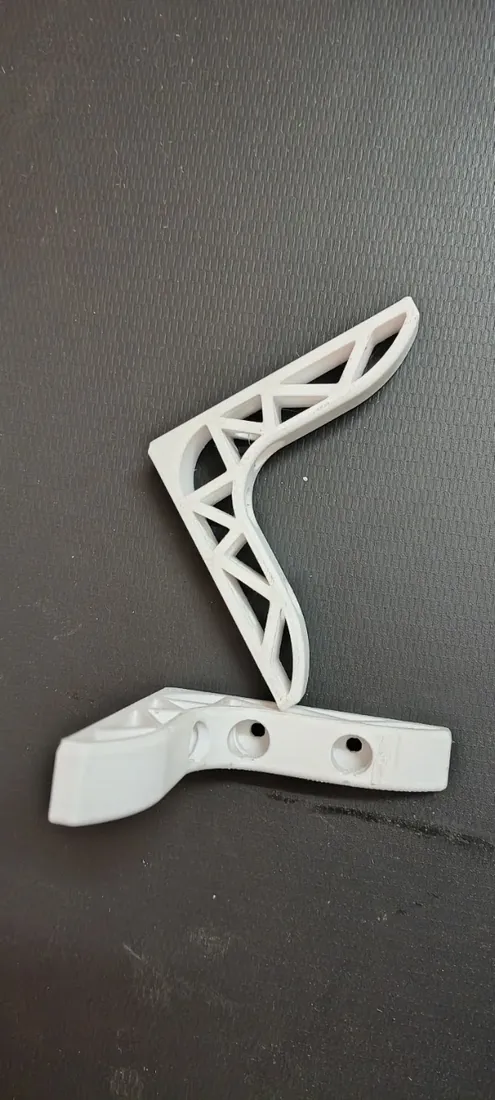
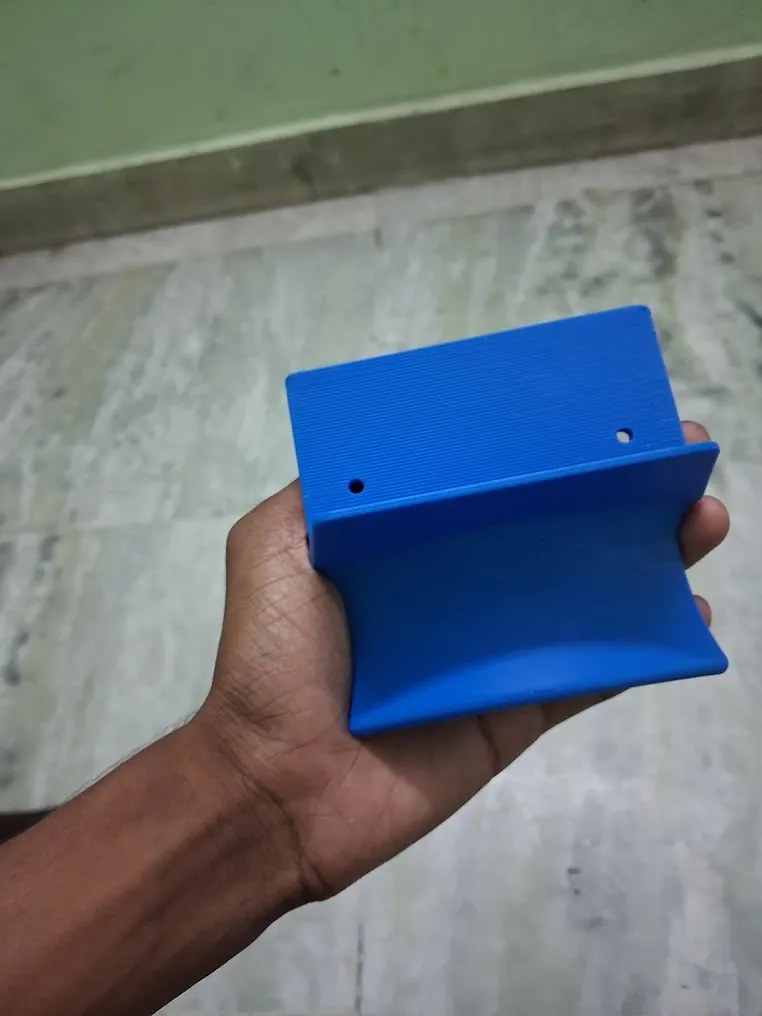
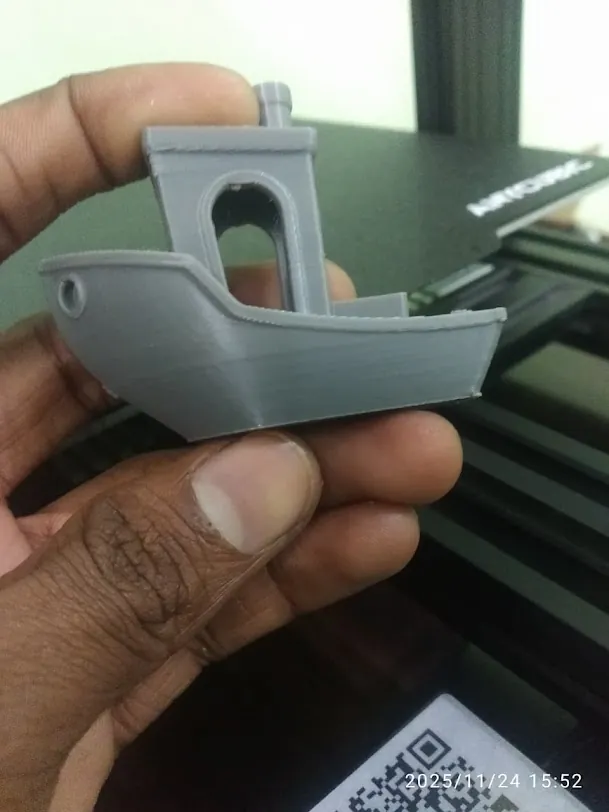
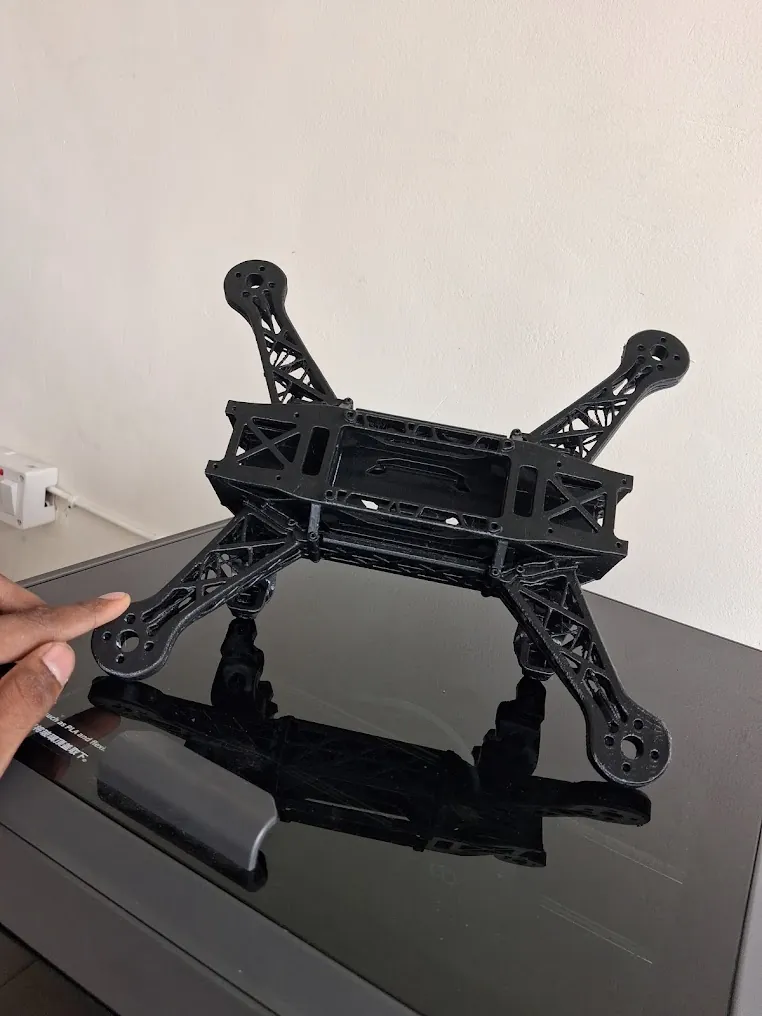
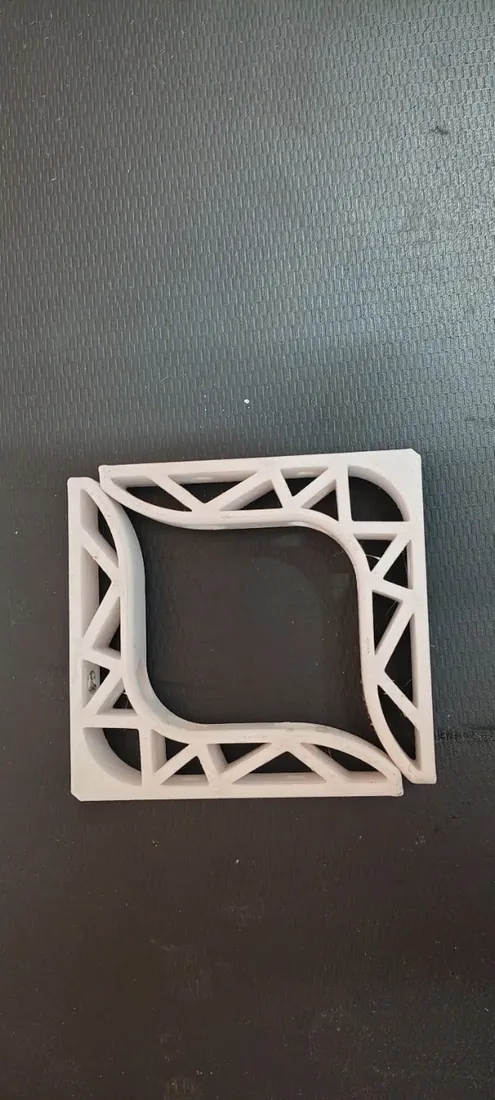
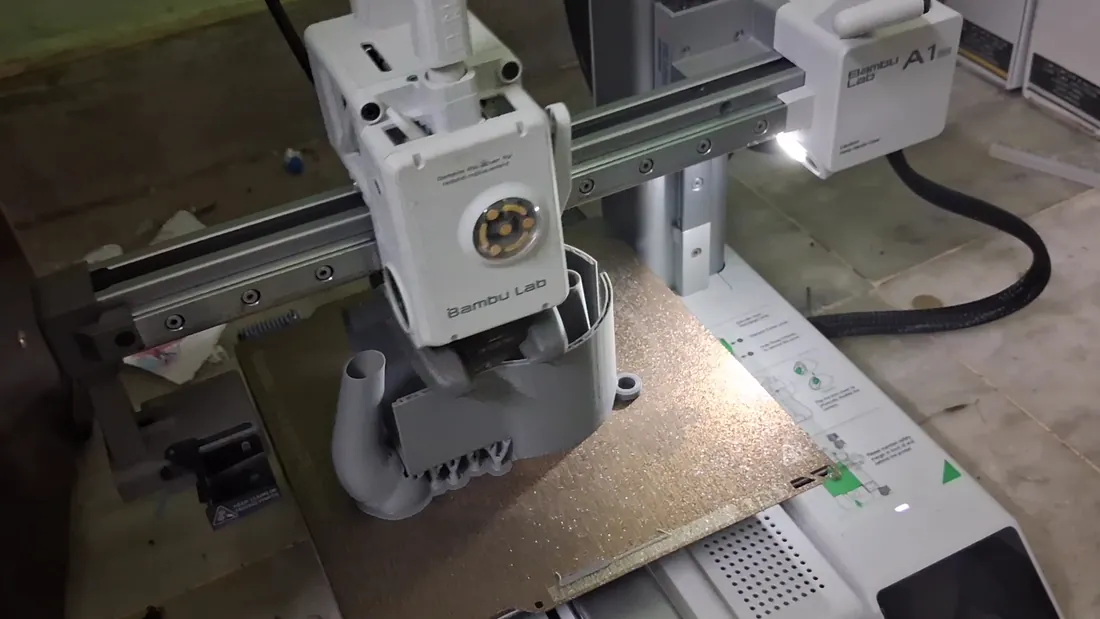
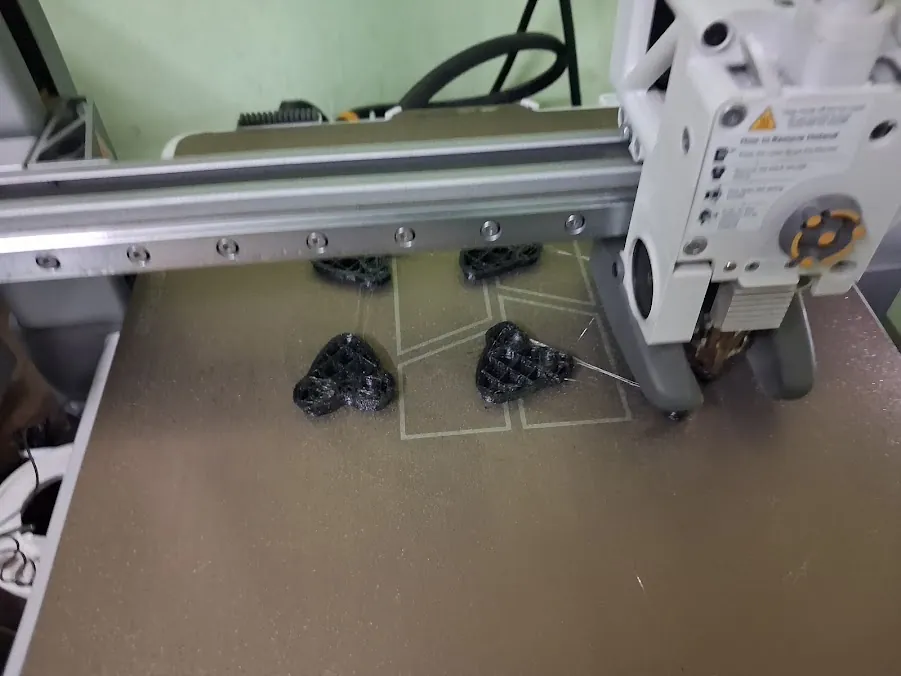
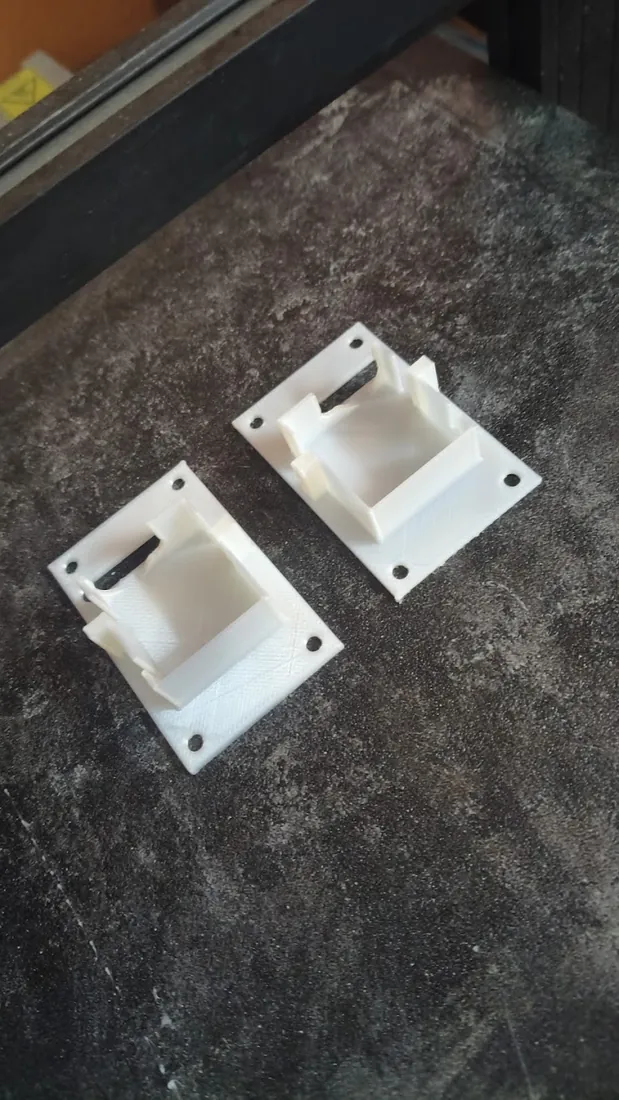
Prototypes in progress.
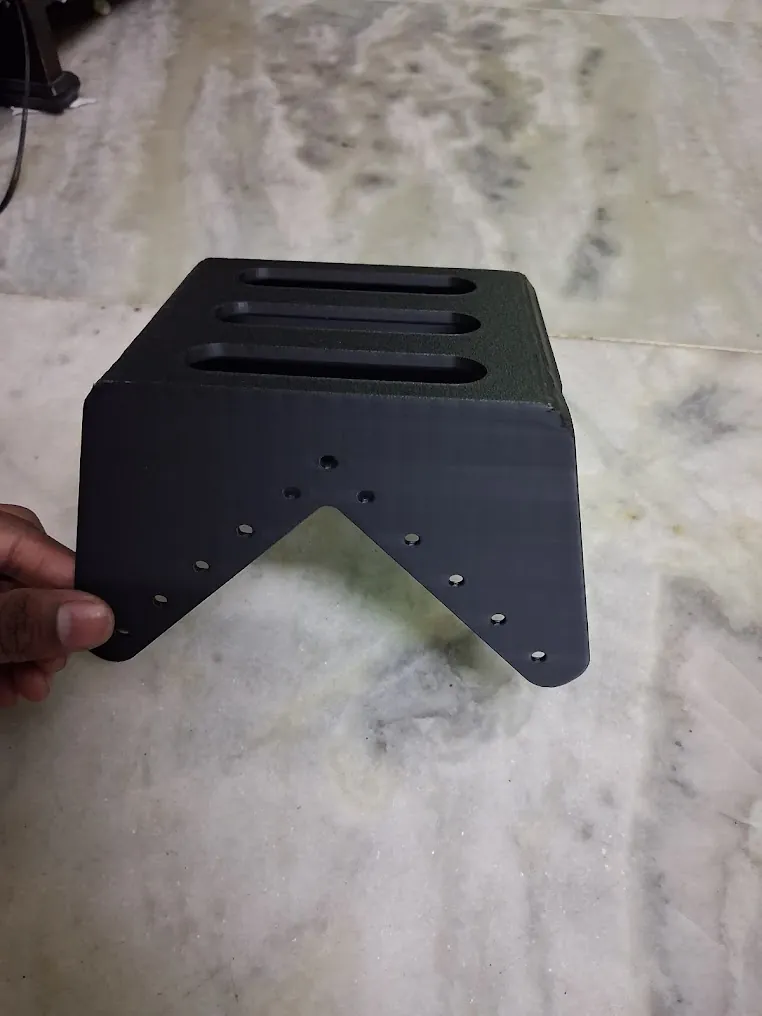
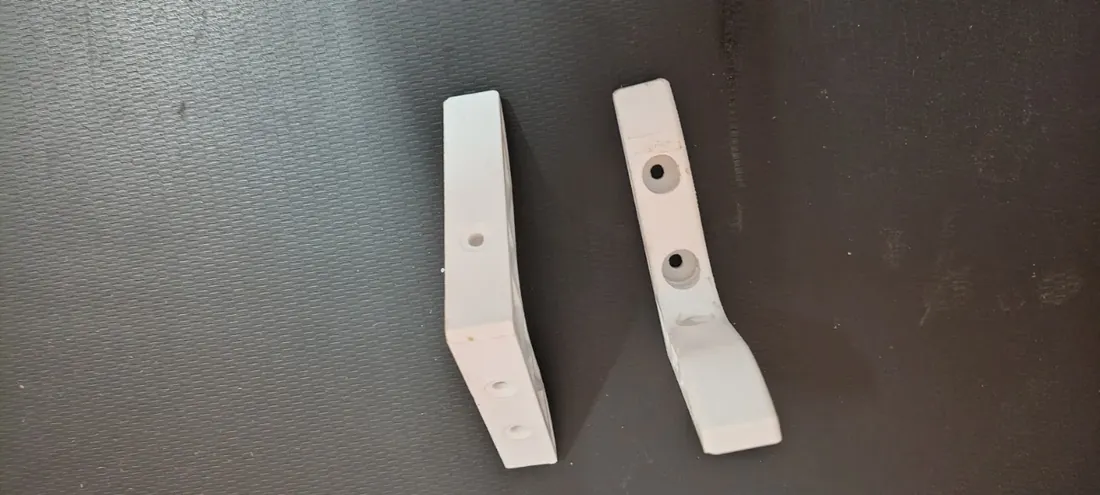
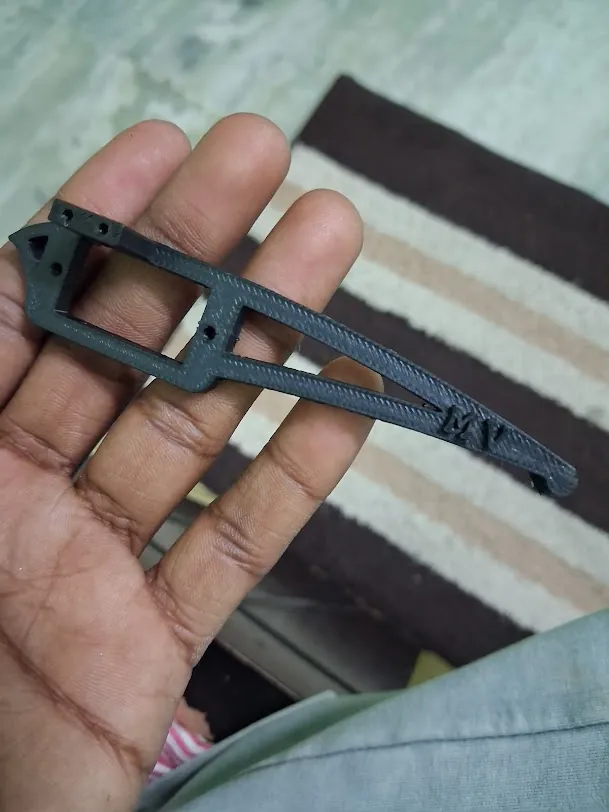
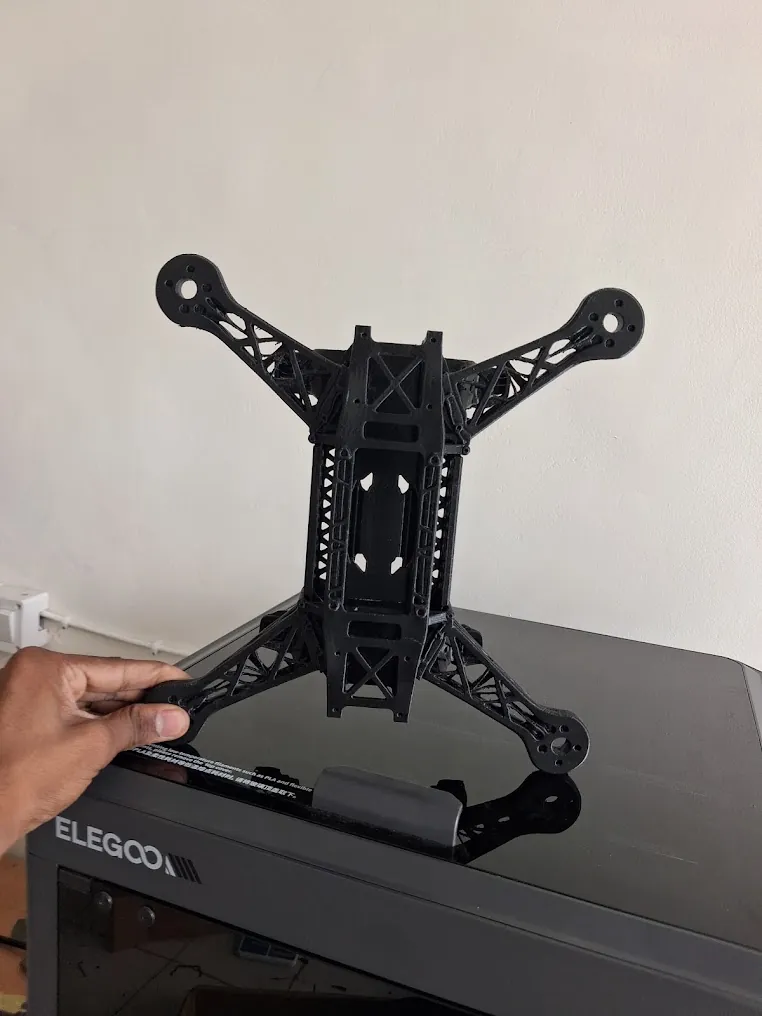
Brackets, frames and housings from live projects, plus machines part-way through a build.
Where prototyping stops.
A printed prototype is not automatically a manufacturable product, and pretending otherwise is how projects stall. A part designed for FDM often needs rework before it can be moulded: draft angles, uniform wall thickness, gate positions and ejection all have to be considered, and none of them matter to a printer.
That review — design for manufacture — is the bridge. We do it as part of the engineering work rather than as a separate quote, which means the prototype is being pulled toward a manufacturable shape while it is still cheap to change. Deliverables come back as CAD plus a bill of materials, in STEP and PDF.
Once the design settles, production can stay in-house: injection-moulded and printed enclosures, electro-mechanical assembly, and die-cut foam components where the product needs filtration or damping.
Common questions.
How long does a prototype take?
Typically 24 to 72 hours from approved file to finished part, depending on size and complexity. Revisions of an existing part are usually faster, because the print preparation is already done.
Is a 3D printed prototype strong enough to test properly?
For most mechanical testing, yes — provided it is printed for strength rather than for speed. PETG with high wall counts and correct orientation behaves close enough to a moulded part for fit, handling and moderate load testing. It is not a substitute for testing the final moulded material where certification is involved.
Can you help design the part, or do I need to send finished CAD?
Either. We do mechanical and electro-mechanical design from a brief or a sketch, and we also print from finished CAD. If you send a file, you still get a review flagging anything likely to fail before it goes on the machine.
What happens after the prototype is approved?
The same team takes it into manufacturing — design for manufacture review, tooling decisions, then production and QA. There is no handoff to a separate vendor, which is usually where timelines and accountability get lost.
Keep reading.
Ready to bring
your idea to life?
Whether you're an entrepreneur with a sketch or an established company scaling production, we'll treat your project like it's the only one on the floor.
Let's talk.
Prefer a quick chat? Call us directly, ping us on WhatsApp, or drop an email. We reply within a few hours during business hours.